Summary
Tampa Bay’s geography and decades without a direct major hurricane strike have left a large portion of the region’s houses untested under real storm conditions. Many homes built before Florida’s 2002 building code update were constructed to older standards. Thankfully, hurricane-proofing a roof is a series of upgrades and checks, some done at replacement time, others as affordable retrofits, and a few you can look into right now. The right starting point is understanding what your roof already has and which targeted upgrades or repairs make sense before June 1st.
| Time to Read | 6-7 minutes |
| What You’ll Learn |
|
| Next Steps |
|
Every June, Tampa Bay homeowners start doing the math. Hurricane season runs through November, and if your roof isn’t ready, a single storm can turn a manageable situation into a very expensive one.
The good news is that hurricane-proofing your roof isn’t one big all-or-nothing decision. It’s a series of layers, each one making your home more resistant. Some are things you do when it’s time for a new roof. Others are retrofits you can add to the roof you already have. And a few are simple maintenance checks you can knock out before June 1st.
At Shingle Saver, we’ve helped hundreds of Tampa Bay homeowners get their roofs ready before storm season, and we can help you, too.
The Hurricane Risk That Catches Tampa Bay Homeowners Off Guard
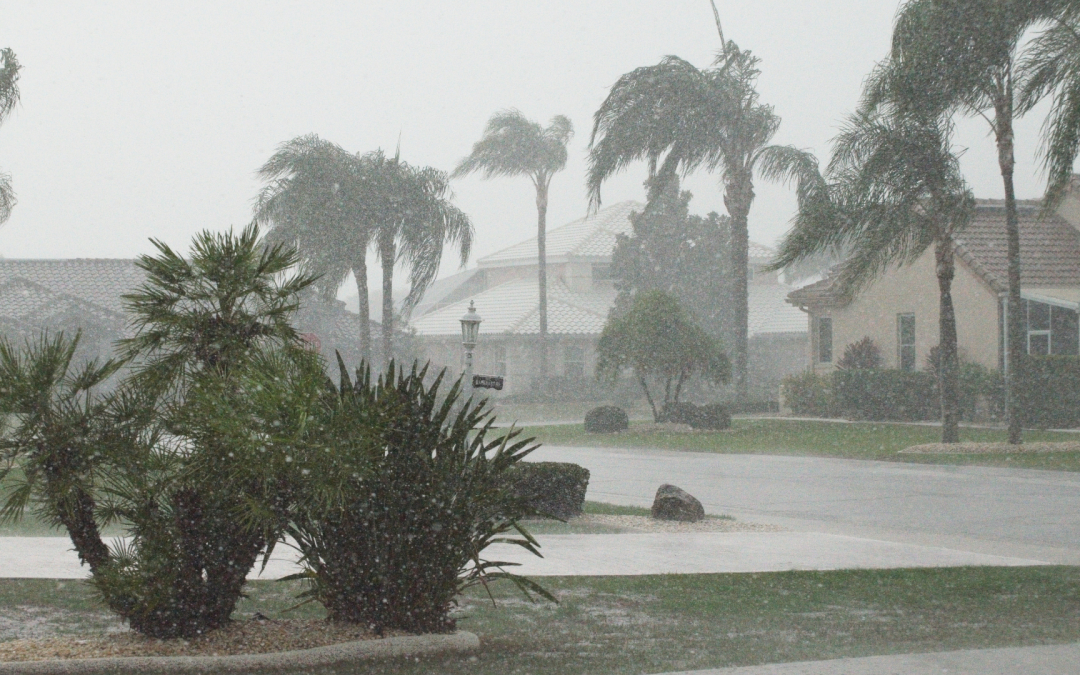
Tampa Bay’s geography creates a specific kind of risk. The Gulf Coast position and the funnel shape of Tampa Bay itself can amplify storm surge and wind speeds when a storm tracks in from the right angle. And because Tampa hasn’t taken a direct hit from a major hurricane in decades, a large portion of the region’s housing stock has never been tested under Category 3+ wind loads.
That matters because many homes in communities like Brandon, Riverview, and Gibsonton were built in the 1990s and early 2000s, under older construction standards. They look solid. But some of them have roofs that were never designed for the kind of wind event Tampa Bay could realistically see.
Your Roof’s Shape Could Be Its Biggest Weakness
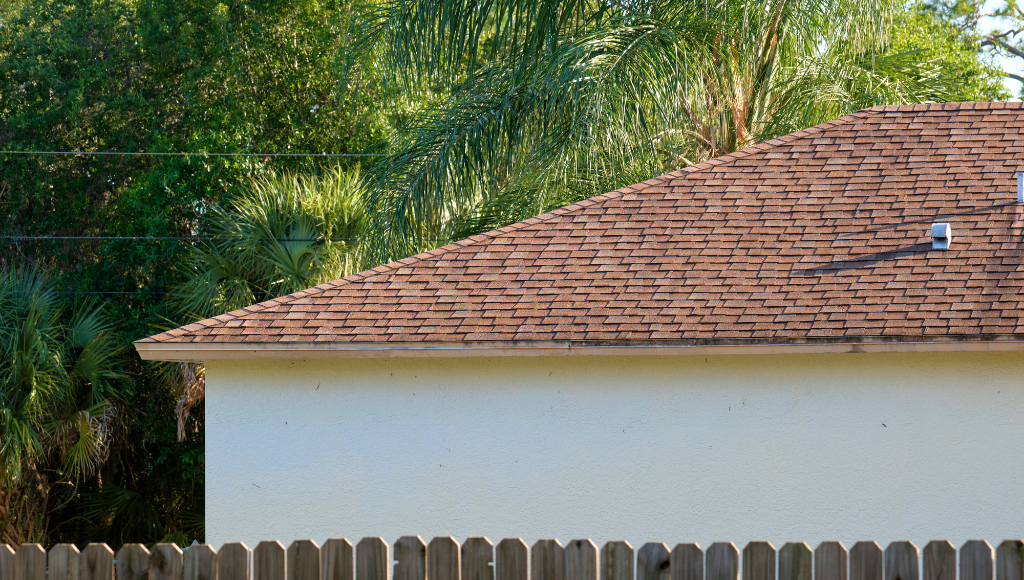
The shape of your roof has a big effect on how it handles high winds. There are two main types of roofs on Florida homes:
- Hip roofs: All four sides slope down to the walls. They’re aerodynamic, and they have continuous connections all the way around. They perform much better in hurricanes.
- Gable roofs: Two sloping sides with flat, triangular end walls (the “gable ends”). Those vertical walls catch wind like a sail, and gable end failures are one of the most common causes of roof damage in Florida storms.
If your home has a gable roof, you can’t easily change that, but you can reduce the risk. Gable end bracing, which reinforces the framing behind those triangular walls, is a relatively affordable retrofit that makes a real difference. A roofer can assess your gable ends and let you know if bracing is worth doing.
The Hardware Holding Your Roof On (And Why It Might Not Be Enough)
Most homeowners never think about this until something goes wrong. Your roof isn’t just sitting on top of your walls. It’s connected to them, and the type of connection your home has plays a big role in whether that roof stays put in a storm.
There are three main types of connections that you’ll find in Florida homes:
- Toe-nailing: A few nails driven at an angle through the roof truss into the wall framing. It was standard practice before Florida updated its building codes in 2002. It’s not a strong connection, and it’s the most common weak point in older homes.
- Hurricane clips: Metal brackets that wrap around one side of the truss and anchor it to the wall. A significant upgrade over toe-nailing, and what most post-2002 homes have at a minimum.
- Hurricane straps: Metal straps that wrap around both sides of the truss for a stronger, more secure connection. These offer the highest level of uplift resistance and are what you want if you’re retrofitting or building new.
How to Check What Your Home Has
You can often see the connections by going into your attic and looking at where the roof trusses meet the wall framing. If you see small metal brackets or straps wrapping around the joint, you’ve got straps or clips. If you just see nails at an angle, you’ve got toe-nailing.
Retrofitting hurricane straps isn’t cheap, but it’s one of the most effective structural upgrades available, and in Florida, it can lower your homeowners’ insurance premium through a wind mitigation inspection.
Choosing the Right Roofing Materials
Water-Rated Shingles
Standard asphalt shingles are often rated for winds up to 60–90 mph. For Tampa Bay, you want shingles rated for 130 mph or higher. These are classified under ASTM wind ratings, and they’re not much more expensive when you’re already doing a full replacement. If you’re replacing your roof, this is a decision worth making.
Not All Roofing Nails Are Created Equal
A detail that most homeowners never think (or even know) to ask about, but that matters a lot, is the type of nails used in your roof. There are two types: Ring-shank and smooth-shank.
Ring-shank nails have ridges that grip the roof decking far more aggressively than smooth-shank nails, and considerably better than staples. When you’re getting a new roof or major repair done, ask your roofer specifically for ring-shank nails. It’s a small spec change that improves wind uplift resistance.
Sealing Your Roof Deck to Save Your Home
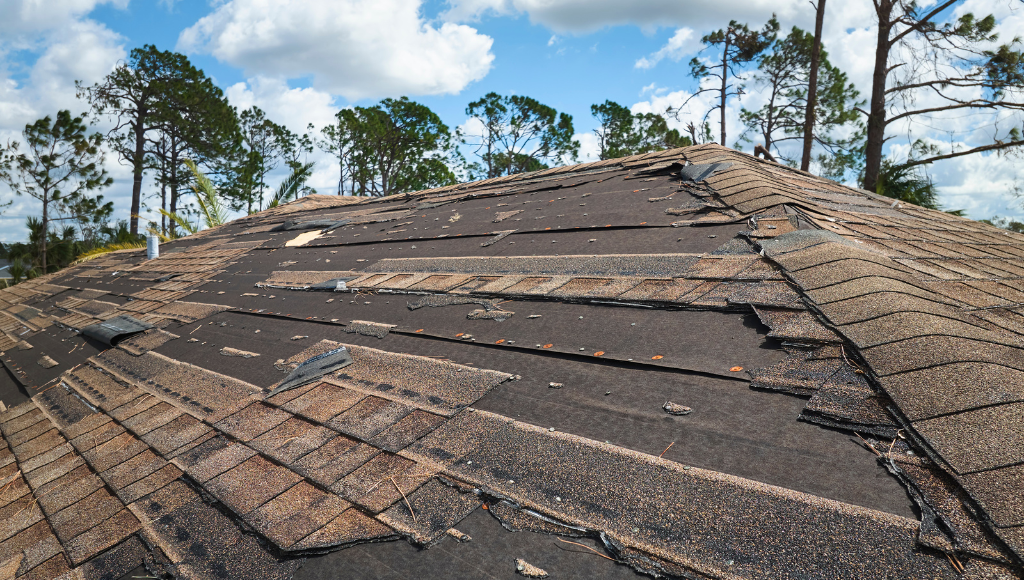
One thing that all Florida homeowners should understand is that in a bad enough storm, some shingles will come off. That’s just reality at Category 3+. What determines whether your home suffers catastrophic interior damage or just shingle loss is what’s underneath those shingles.
Traditional felt underlayment, which is what’s under most older roofs, offers almost no water resistance once the shingles are gone. It tears, absorbs water, and fails fast.
Peel-and-stick underlayment (sometimes called a secondary water barrier or self-adhering membrane) covers the entire roof deck. It creates a watertight layer that holds even when shingles are missing. If you’re replacing your roof, this is a non-negotiable upgrade for Tampa Bay. It’s also one reason many Florida insurers offer discounts for homes that have it.
The Small Details That Fail First
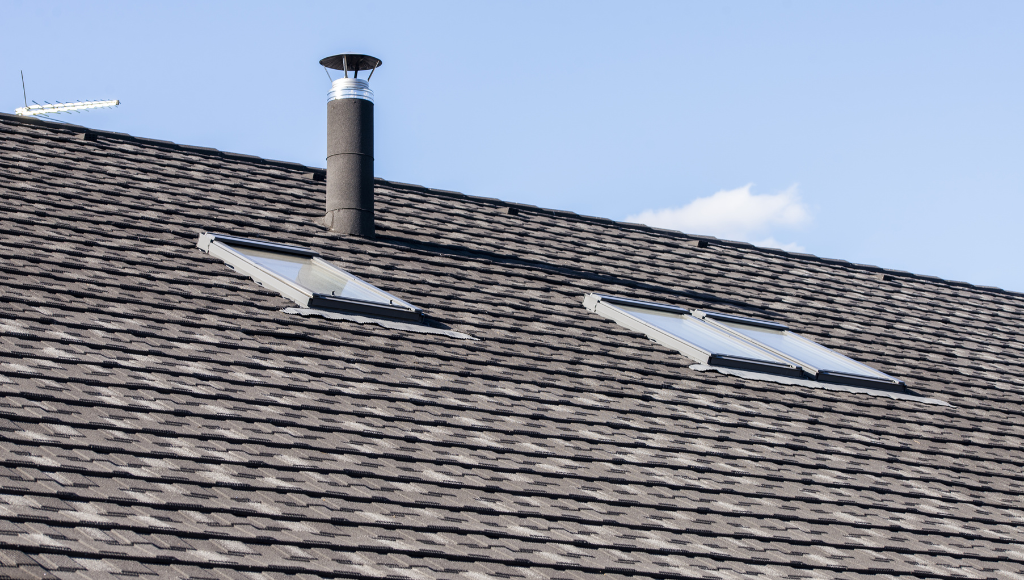
In a Category 3+ storm, it’s often not the main roof field that fails first. It’s the edges, the openings, and the connection points. These are worth checking every year before hurricane season.
- Flashing: The metal strips around chimneys, vents, and roof valleys. If it’s lifting, rusting, or the caulk is cracked, water will find its way in during a storm. Flashing repair is one of the cheapest fixes with the biggest payoff.
- Soffits: The panels under your roof overhang. Loose or lightweight soffits can be sucked out in high winds, creating openings that let wind-driven rain into your attic and wall cavities. Look for sagging, loose panels, or gaps.
- Roof vents: Standard turbine vents and older louver vents can admit water during heavy horizontal rain. Hurricane-rated vents with baffled designs are an affordable upgrade worth considering.
- Gutters: They won’t cause structural damage on their own, but gutters that aren’t firmly attached can tear away in high winds, taking your fascia board with them. Check the mounting points before storm season.
Common Hurricane Upgrades at a Glance
Here’s a rough look at what some of these upgrades typically cost and what kind of impact they have. Actual pricing will depend on your home’s size and current condition.
| Upgrade | Approximate Cost | Impact |
| Gable End Bracing | $300-$800 | High |
| Hurricane Straps/Clips | $500-$2,000 | Very High |
| Ring-Shank Nails (at Replacement) | Minimal upcharge | High |
| Peel-and-Stick Underlayment | $500-$1,500 | Very High |
| Hurricane-Rated Vents | $100-$400 | Moderate |
| Flashing Repair/Re-Seal | $150-$600 | High |
Retrofit or Replace? How to Make the Call
Not every older Tampa Bay home needs a full roof replacement before hurricane season. The decision really comes down to two things: the condition of your shingles and what you’d be replacing them on top of.
Retrofitting Makes Sense When:
- Your shingles still have life in them, and the structure is sound
- Specific vulnerabilities (gable bracing, flashing, vents) can be addressed without a full tear-off
- You’ve recently had work done and want to extend what you have
Replacement Makes More Sense When:
- Your shingles are 15+ years old and showing granule loss, brittleness, or curling
- There’s moisture damage in the decking underneath
- Your home was built pre-2002, and you’re already doing a tear-off anyway, because strap upgrades done during a replacement cost a fraction of what a retrofit costs
- Your insurer or lender is requiring a new roof
If you’re not sure which side of that line you’re on, an honest roof inspection can tell you. We’ll look at what’s actually going on and give you a straight answer, not a default replacement quote.
Get a Pre-Season Roof Inspection
The best time to find out whether your roof may be vulnerable is before a storm hits, not during one. A professional inspection looks at everything that matters from a hurricane-readiness standpoint, including shingle condition and flexibility, flashing integrity, soffit and fascia, visible truss connections if your attic is accessible, vent ratings, and gutter attachment.
At Shingle Saver, we’re based in Gibsonton, and we’ve been serving homeowners across Tampa Bay for over six years. We’ll get up on your roof, check what needs checking, and tell you what we find. If your roof is in good shape, we’ll say so. If there are things worth addressing before June, we’ll walk you through your options.Call us at (813) 997-8441 or request a free quote on our website. Give yourself time to act before storm season starts.