Summary
Tampa Bay’s hurricane season runs from June through November, with peak risk from mid-August through mid-October. Roof damage from storms most often stems from loose flashing, overhanging branches, unsecured rooftop equipment, and skipped pre-season inspections. April and May are the best months to address it all. When a named storm forms, there’s a narrow window to act. Knowing how to document damage and spot storm-chaser scams in Hillsborough County is just as important as the prep itself.
| Time to Read | ~6 minutes |
| What You’ll Learn |
|
| Next Steps |
|
Tampa Bay sits in one of the most hurricane-vulnerable positions on the Gulf Coast. The bay’s funnel shape amplifies storm surge, and the region’s exposure to Gulf-tracking storms means a direct hit isn’t required for serious roof damage. Even a glancing blow or a storm that makes landfall well south of Tampa can produce sustained wind gusts of 50 to 70 mph across Hillsborough County, enough to lift loose flashing, detach gutters, and send unsecured rooftop equipment airborne.
The homeowners who come through storm season with the least damage aren’t lucky. They’re the ones who prep early, and prep systematically. Shingle Saver’s team has been helping Tampa Bay homeowners do exactly that for over six years.
Tampa Bay’s Hurricane Season at a Glance
The official season runs June 1 through November 30, with peak activity clustering between mid-August and mid-October. September is historically the highest-risk month for Gulf Coast storms, and Tampa Bay’s geography makes it particularly susceptible to storm surge from storms tracking over open Gulf waters.
Even storms that don’t make landfall nearby cause real damage. Outer bands and elevated wind fields extend well beyond a storm’s center, and a roof with loose flashing, deteriorating shingles, or unsecured equipment doesn’t need a direct hit to sustain costly damage.
| Month | Threat Level | What to Watch For |
| June | Low–Moderate | Early tropical depressions, Gulf disturbances |
| July | Moderate | Named storms tracking into the Gulf |
| August | High | Peak Atlantic activity; rapid Gulf intensification |
| September | Very High | Peak season; storms can loop or stall near Tampa Bay |
| October | High | Late-season Gulf storms; cold front interactions |
| November | Low | Season wind-down; late storms still possible |
Pre-Season Checklist: What to Do in April and May
April and May are the most valuable prep months. Roofing contractors are still available, materials aren’t in demand during storm season, and if an inspection turns up anything that needs attention, you have time to fix it properly before the season opens.
Schedule a Professional Roof Inspection
A thorough pre-season inspection checks everything that matters under wind and rain stress, including shingle condition and lifting edges, flashing at chimneys, vents, and roof edges, ridge cap integrity, gutter attachments, and any penetrations through the roof surface.
Clear Debris, Trim Branches, and Secure Flashing
A few targeted tasks before the season begins can prevent significant storm damage:
- Clear debris from gutters, valleys, and around vents. Accumulated debris holds moisture and adds wind-catch surface area.
- Trim any branches that can reach your roofline when they flex in the wind. Overhanging limbs are one of the leading causes of storm-related roof damage in Hillsborough County.
- Inspect and secure flashing around chimneys, vents, skylights, and edges. Loose flashing is where wind-driven rain gets in first when a storm hits.
- Check that all gutter sections are properly attached. Gutters that pull away from the fascia in sustained winds can bring flashing with them.
Mid-Season Maintenance: June Through August
Once the season is active, the focus shifts from preparation to monitoring and documentation. The physical work should already be done.
Document Your Roof’s Condition
Walk your property perimeter and take date-stamped ground-level photos of the roofline in May, and again after any significant weather event during the season. These photos establish a pre-storm baseline that’s vital if you need to file an insurance claim later. Without that documentation, it becomes harder to prove what the storm actually caused versus pre-existing wear.
Check Gutters and Attic Ventilation
Do a mid-season check on gutter attachments, especially after any severe wind event. Also, confirm that soffit and ridge vents are unobstructed. Blocked attic ventilation traps heat and moisture, accelerating shingle aging as the storm season enters its most active stretch. If your attic runs consistently hot through summer, it’s worth evaluating whether additional ventilation would help. Solar-powered attic fans are a practical and energy-efficient option for Florida homes.
When a Named Storm Forms: 72, 48, and 24 Hours Out
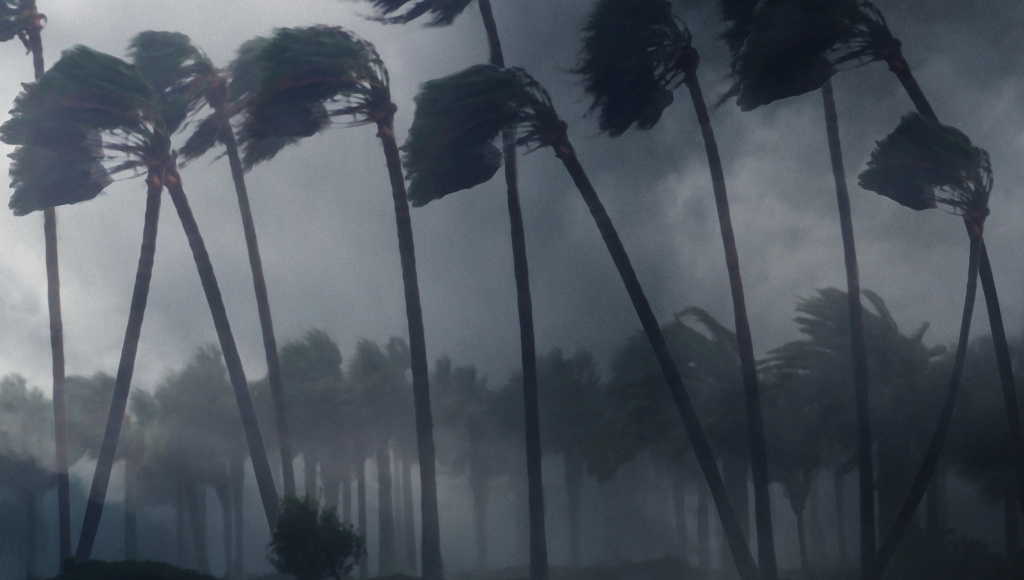
Once a named storm is tracking toward the Gulf and Tampa Bay is in the forecast cone, the prep window compresses fast. Here’s where to focus at each threshold.
72 Hours Out
- Confirm that pre-season repairs were completed and any flagged issues were addressed
- Clear the yard of loose items that could become airborne projectiles
- Locate your roof documentation photos and review your homeowner’s insurance policy
48 Hours Out
- Secure or remove rooftop equipment that can be safely detached (see next section)
- Final check on gutters and downspouts
- Do not start any new repair work. Rushed repairs don’t cure or bond properly, and won’t hold in storm conditions
24 Hours Out
- Stay off the roof entirely
- Focus on interior prep and evacuation decisions
- Note any pre-existing roof concerns so you can report accurately to your insurer after the storm passes
Securing Rooftop Equipment
Improperly mounted rooftop equipment can risk more than your roof or home. It becomes a hazard for neighboring properties in high winds. Evaluate all of this before June, not 48 hours before a named storm.
- Solar fans: verify storm-rated mounting hardware and sealants. Improperly mounted fans can lift and tear flashing when they fail.
- Satellite dishes: frequently under-mounted, a dish acts like a sail in sustained wind and can pull shingles and flashing off as it goes. If it’s no longer in use, removing it pre-season is worth thinking about.
- HVAC units: confirm that tie-downs or straps comply with the current Florida wind load code for your wind zone. Equipment that predates the current codes may need an updated assessment.
What NOT to Do
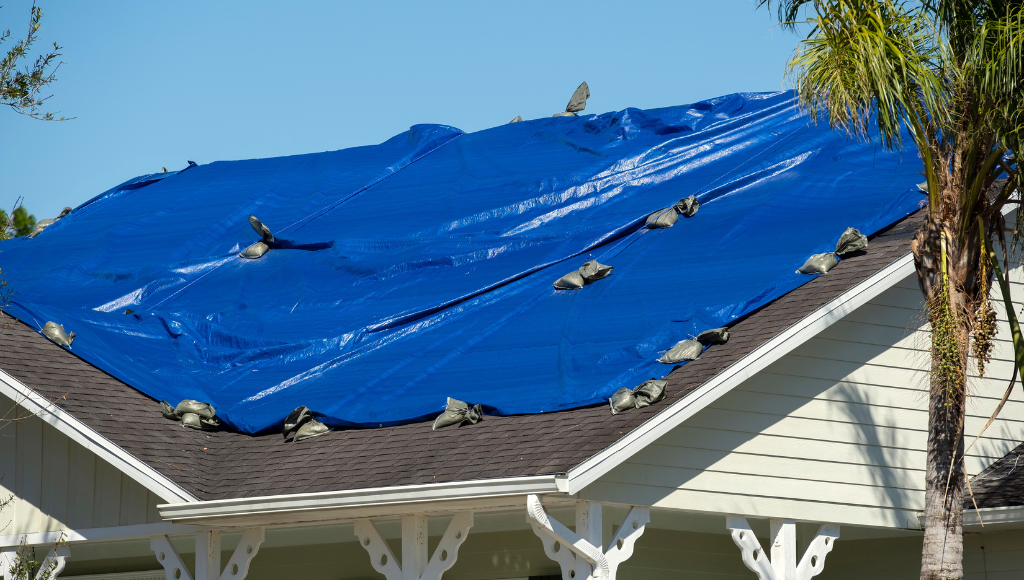
Don’t Attempt a DIY Tarp Job in Unsafe Conditions
A poorly secured tarp in the wind causes more damage than it prevents because it acts as a pry tool, lifting shingles and tearing at flashing. If emergency tarping is needed after a storm, wait until conditions are fully safe, then call a professional with the right equipment and fasteners.
Don’t Book Last-Minute Repairs Right Before a Storm
As mentioned earlier, sealants and roofing materials need time to cure and bond. A repair made in the final 24 to 48 hours before a storm hasn’t had enough time to set properly, and it won’t hold up under the stress it’s going to face. Contractor pricing in that window is also inflated by storm demand. Pre-season repair is always the smarter and more cost-effective path.
Never Go on the Roof During a Watch or Warning
No assessment is worth it. Winds pick up before the rain does, and wet roofing surfaces are extremely slippery. Document what you can from the ground or from inside the attic, and leave the roof alone until well after the storm has cleared.
Post Storm Priorities
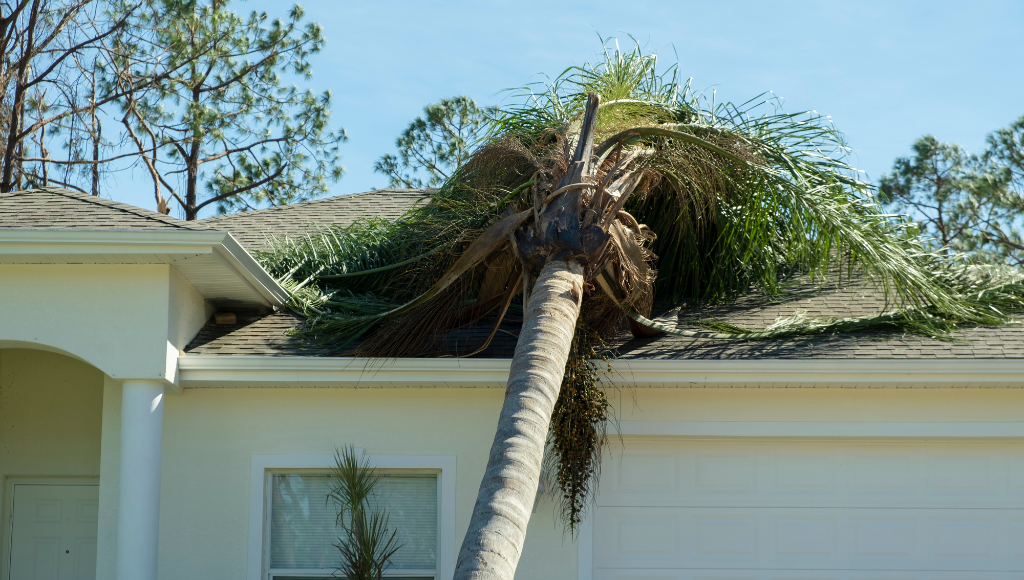
Document Everything Before Cleanup Begins
Before moving any debris or touching the roof, photograph and video all visible damage from the ground. Check the attic for signs of water intrusion and document that too. Date-stamp everything. Cleaning up before documenting damage can reduce or complicate an insurance payout, as your insurer needs to see what the storm actually left behind.
Watch Out for Storm-Chaser Scams in Hillsborough County
After every named storm, out-of-state roofing crews flood the Tampa Bay area with door-to-door pressure tactics. Knowing the warning signs protects you:
- No verifiable Florida contractor’s license or local business address
- Pressure to sign a contract immediately, before you’ve had time to review
- Requests for a large cash deposit up front
- Verbal-only quotes with nothing itemized in writing
Legitimate local contractors don’t pressure you on the doorstep. Shingle Saver is based in Gibsonton and has been serving Hillsborough County communities for over six years. We’re a trusted team that’s here to help you before and after the storm.
Get a Proper Inspection Before Filing a Claim
A professional post-storm inspection documents the damage thoroughly and helps establish what the storm caused versus pre-existing wear. Contact your insurer before any repair work begins so the damage can be properly assessed and recorded. If you have an active leak or urgent damage, we offer 24-hour emergency response.
How Shingle Saver Helps Tampa Bay Homeowners Get Hurricane-Ready
Scott and Kristie Dugan are based in Gibsonton and serve homeowners across Hillsborough County year-round. Whether it’s a pre-season inspection that catches a problem before June, repairs done properly in the April and May window, softwash cleaning to clear debris and algae buildup, or a post-storm damage assessment after a named storm, Shingle Saver covers every stage of hurricane prep. Solar fan installation with storm-rated hardware and 24-hour emergency response for active leaks rounds out what our team brings to every season.Schedule your pre-season inspection before the calendar fills up. Call (813) 997-8441 or visit our website to learn more.